

10 Medical Tests Every Adult Should Get Regularly
Good health is often taken for granted until something goes wrong. Many serious conditions such as diabetes, high blood pressure, heart disease, and certain types of cancer develop silently, showing little to no symptoms in their early stages. By the time noticeable signs appear, treatment may become more complicated and expensive. This is why preventive healthcare has become one of the most effective ways to maintain long-term wellness.
Regular health screenings help identify potential health issues before they become serious. Early diagnosis not only increases the chances of successful treatment but also allows individuals to make lifestyle changes that can prevent future complications. Whether you’re in your twenties or approaching retirement, routine medical tests should be an essential part of your healthcare routine.
At Noble Multispeciality Hospital, Bhopal, we encourage individuals to undergo preventive health checkups based on their age, lifestyle, family history, and existing medical conditions. Here are ten important medical tests every adult should consider getting regularly.
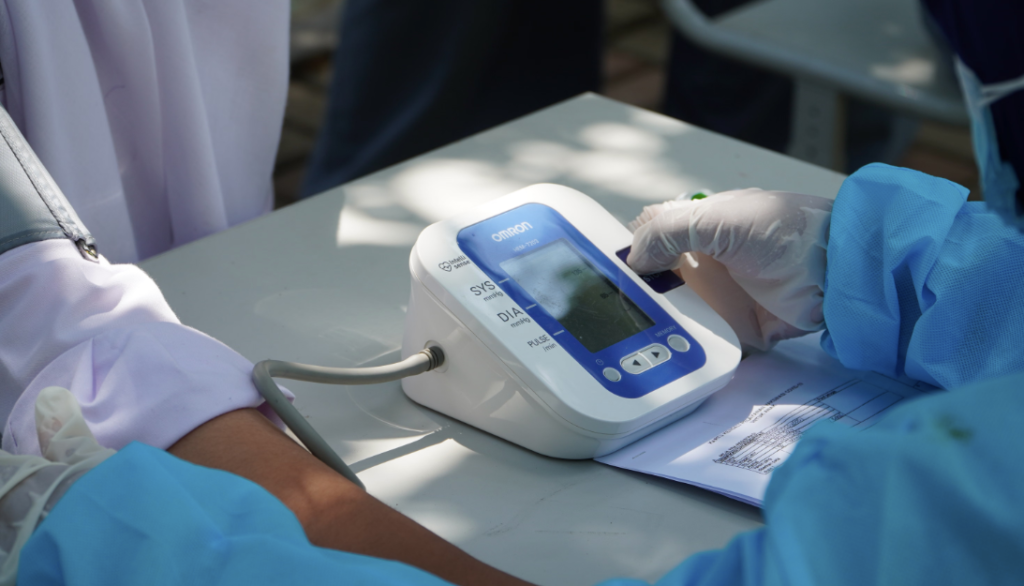
1. Blood Pressure Screening
High blood pressure, also known as hypertension, is often referred to as the “silent killer” because it usually develops without noticeable symptoms. Left untreated, it can increase the risk of heart attacks, strokes, kidney disease, and vision problems.
A simple blood pressure check takes only a few minutes and can provide valuable insights into your cardiovascular health. Adults should have their blood pressure checked at least once a year, or more frequently if they have risk factors such as obesity, diabetes, or a family history of hypertension.
2. Blood Sugar Test
Diabetes is becoming increasingly common due to sedentary lifestyles, unhealthy eating habits, and genetic factors. Unfortunately, many people remain unaware they have diabetes until complications develop.
A fasting blood sugar test or HbA1c test helps determine whether your blood glucose levels are within the normal range. Early detection allows doctors to recommend lifestyle modifications or medications before permanent damage occurs.
If you are overweight, have a family history of diabetes, or are over the age of 35, regular blood sugar screening becomes even more important.
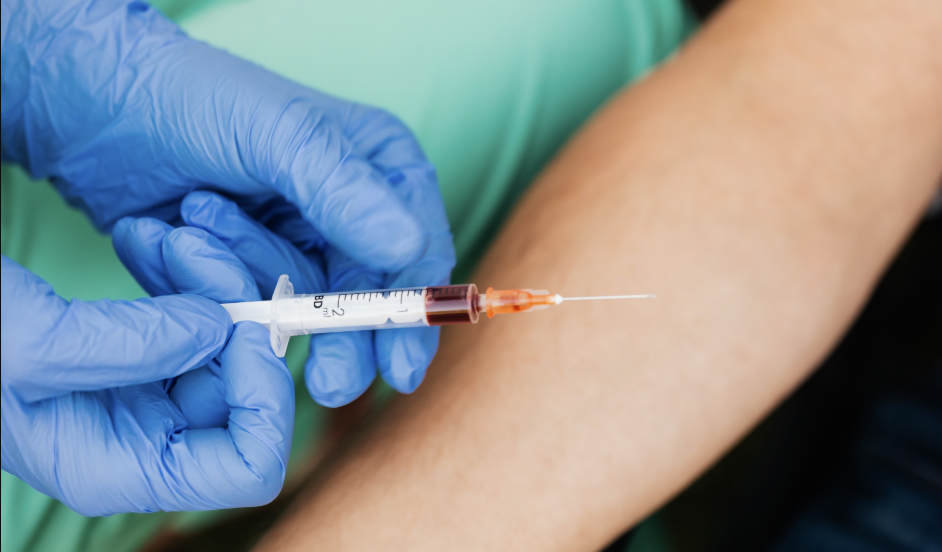
3. Complete Blood Count (CBC)
A Complete Blood Count is one of the most commonly recommended laboratory tests because it provides a broad overview of your overall health. It measures different components of your blood, including red blood cells, white blood cells, and platelets.
This test helps identify conditions such as anemia, infections, inflammation, and certain blood disorders. Since many of these conditions may not cause obvious symptoms initially, a routine CBC can help detect health issues early.
4. Lipid Profile (Cholesterol Test)
High cholesterol does not usually cause symptoms, but it significantly increases the risk of heart disease and stroke. A lipid profile measures your total cholesterol, LDL (bad cholesterol), HDL (good cholesterol), and triglycerides.
Adults should begin regular cholesterol screening from their twenties, especially if they have risk factors like smoking, obesity, diabetes, or a family history of heart disease.
Maintaining healthy cholesterol levels through diet, exercise, and medical treatment can greatly reduce cardiovascular risk.
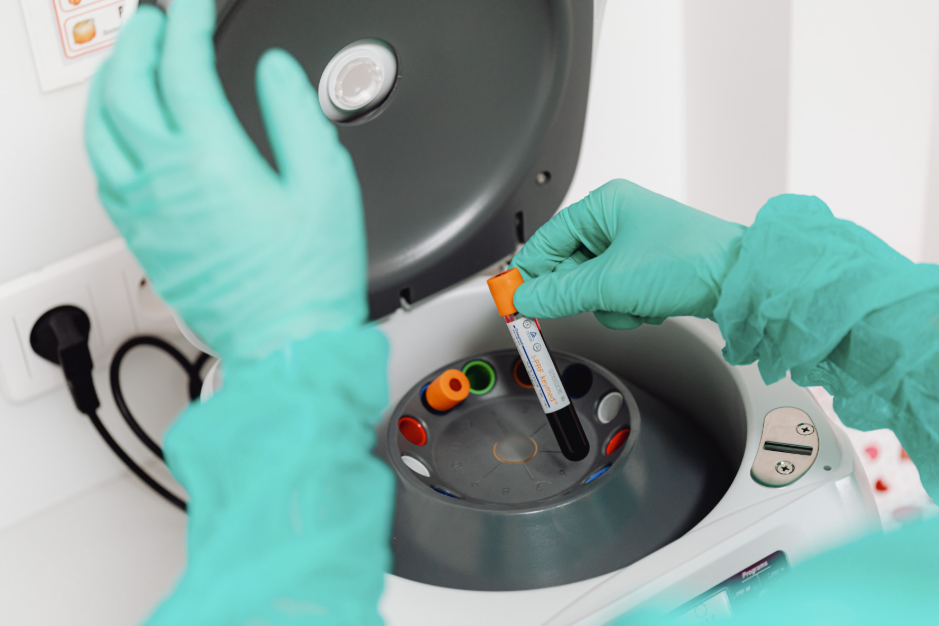
5. Liver Function Test (LFT)
Your liver performs hundreds of essential functions, including detoxification, digestion, and nutrient storage. Liver diseases may remain unnoticed until they reach advanced stages.
A Liver Function Test evaluates important liver enzymes and proteins to assess whether your liver is functioning properly. It is particularly recommended for individuals who consume alcohol regularly, take long-term medications, or have obesity or diabetes.
Early diagnosis allows timely intervention before permanent liver damage occurs.
6. Kidney Function Test (KFT)
Healthy kidneys filter waste products from your blood and regulate fluid balance. Kidney disease often develops silently, making routine screening extremely valuable.
A Kidney Function Test measures important indicators such as creatinine, urea, and estimated kidney function. People with diabetes, hypertension, or a family history of kidney disease should undergo regular kidney health assessments.
Maintaining healthy kidneys is essential for overall well-being and long-term health.
7. Thyroid Function Test
The thyroid gland plays an important role in regulating metabolism, energy levels, body temperature, and hormonal balance. Both underactive and overactive thyroid disorders are common, especially among women.
Symptoms like unexplained weight gain, fatigue, hair loss, anxiety, or irregular menstrual cycles may indicate thyroid dysfunction.
A simple blood test measuring thyroid hormone levels helps diagnose these conditions early, allowing effective treatment before complications develop.
8. Electrocardiogram (ECG)
Heart disease remains one of the leading causes of death worldwide. An Electrocardiogram records the electrical activity of the heart and helps detect irregular heart rhythms, previous heart attacks, and other cardiac abnormalities.
Although not everyone requires routine ECG screening, adults with chest discomfort, diabetes, hypertension, or a family history of heart disease should consult their physician about periodic heart evaluations.
When combined with regular checkups, ECG testing can help identify cardiovascular problems before they become life-threatening.

9. Vitamin D and Vitamin B12 Testing
Vitamin deficiencies have become increasingly common, particularly among individuals with indoor lifestyles or dietary restrictions. Deficiencies in Vitamin D and Vitamin B12 may contribute to fatigue, muscle weakness, bone pain, poor immunity, and nerve-related symptoms.
If you experience persistent tiredness or have dietary limitations, your doctor may recommend testing these vitamin levels. Appropriate supplementation can significantly improve your overall health and quality of life.
10. Cancer Screening Based on Age and Risk Factors
Cancer screening is not the same for everyone. The appropriate screening depends on age, gender, lifestyle, and family history. Detecting cancer in its earliest stages greatly improves treatment success and survival rates.
Some commonly recommended screenings include breast cancer screening, cervical cancer screening, prostate evaluation, and colorectal cancer screening. Your doctor will advise which tests are suitable based on your individual risk profile.
Routine screenings should never be delayed simply because you feel healthy.
How Often Should You Get a Health Checkup?
There is no single schedule that applies to everyone. The frequency of health checkups depends on factors such as age, existing medical conditions, lifestyle habits, and family history.
Healthy adults should generally undergo a comprehensive health checkup once every year. Individuals with chronic conditions like diabetes, hypertension, thyroid disorders, or heart disease may require more frequent monitoring as advised by their physician.
Preventive healthcare is always more effective and less expensive than treating advanced disease.
Why Preventive Health Checkups Matter
Many people avoid medical tests because they believe they are healthy or fear discovering a medical condition. However, waiting until symptoms appear often means the disease has already progressed.
Regular health screenings offer several benefits:
- Detect diseases before symptoms develop
- Improve treatment outcomes
- Reduce healthcare costs in the long run
- Help monitor chronic conditions effectively
- Encourage healthier lifestyle choices
- Provide peace of mind through regular monitoring
Making preventive healthcare a priority today can help protect your health for years to come.
Comprehensive Health Checkups at Noble Multispeciality Hospital, Bhopal
At Noble Multispeciality Hospital, Bhopal, we believe prevention is one of the strongest pillars of good healthcare. Our comprehensive health checkup programs are designed to evaluate your overall health using advanced diagnostic facilities and expert medical guidance.
Our experienced physicians carefully review your reports, explain the findings in simple language, and recommend personalized lifestyle changes or treatment plans when necessary. Whether you’re looking for an annual preventive checkup or monitoring an existing medical condition, our team is committed to helping you stay healthy through timely diagnosis and compassionate care.
Frequently Asked Questions
At what age should adults start getting regular health checkups?
Most adults should begin routine preventive health checkups in their twenties, with the frequency increasing as they age or develop risk factors.
How often should I have a full body checkup?
For most healthy adults, an annual health checkup is recommended. Your doctor may suggest more frequent evaluations if you have chronic medical conditions.
Can medical tests detect diseases before symptoms appear?
Yes. Many serious conditions such as diabetes, hypertension, thyroid disorders, and high cholesterol can be detected through routine screening long before symptoms develop.
Are preventive health checkups necessary if I feel healthy?
Absolutely. Many illnesses progress silently in their early stages. Preventive screenings help identify problems early, making treatment more effective.
What should I do before a health checkup?
Some blood tests require fasting for 8–12 hours. Follow your doctor’s instructions regarding food, medications, and hydration before your appointment
Where can I get a comprehensive health checkup in Bhopal?
Noble Multispeciality Hospital offers comprehensive preventive health checkups supported by experienced physicians, modern diagnostic facilities, and personalized medical guidance.
Conclusion
Your health is one of your greatest assets, and taking proactive steps today can prevent serious health problems in the future. Routine medical tests provide valuable insights into your overall well-being, helping detect diseases early when they are easiest to manage. From monitoring blood pressure and cholesterol to screening for diabetes and thyroid disorders, these simple tests can make a significant difference in maintaining a healthy and active life.
If it’s been more than a year since your last health checkup, consider scheduling a preventive health screening. At Noble Multispeciality Hospital, Bhopal, our team is dedicated to helping individuals and families stay healthier through comprehensive health assessments, expert consultations, and personalized care. Prevention truly is the first step toward a healthier future.