

Pregnancy Care Tips Every Expecting Mother Should Know
Pregnancy is one of the most beautiful and transformative phases in a woman’s life. It marks the beginning of a journey filled with excitement, anticipation, and new responsibilities. While every pregnancy is unique, one thing remains constant—the importance of taking good care of both the mother and the growing baby. Healthy habits during pregnancy can significantly influence the baby’s development and help reduce the risk of complications during pregnancy and childbirth.
From eating nutritious meals and attending regular prenatal checkups to staying physically active and managing stress, every small step contributes to a healthier pregnancy. Many expecting mothers also have countless questions about what they should eat, how much exercise is safe, and which symptoms require immediate medical attention. Having the right information can help you make informed decisions and enjoy this special journey with confidence.
At Noble Multispeciality Hospital, Bhopal, our experienced obstetricians and maternity care specialists provide comprehensive prenatal care, ensuring both mother and baby receive the attention they deserve throughout every stage of pregnancy.
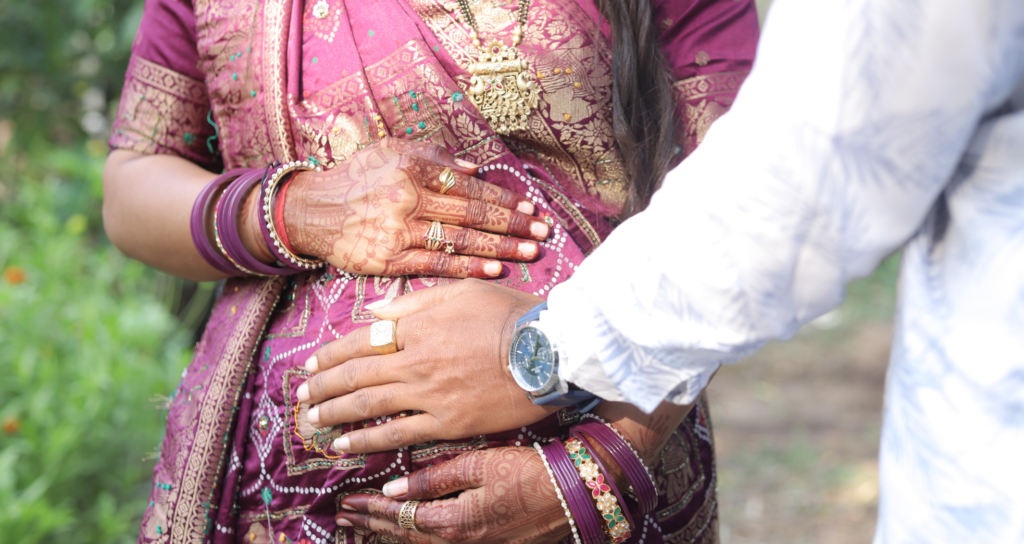
Start Your Pregnancy Journey with Regular Prenatal Checkups
One of the most important aspects of pregnancy care is scheduling regular visits with your obstetrician. Prenatal appointments allow your doctor to monitor your health and track your baby’s growth and development. These visits also help identify potential complications at an early stage, making timely treatment possible.
During routine checkups, your doctor will monitor your blood pressure, weight, baby’s heartbeat, and overall pregnancy progress. Ultrasound scans and laboratory tests may also be recommended at different stages to ensure everything is progressing normally. Even if you feel healthy and experience no discomfort, attending every scheduled appointment is essential for a safe pregnancy.

Focus on a Balanced and Nutritious Diet
Your nutritional needs increase during pregnancy because your baby depends entirely on you for essential vitamins and minerals. Instead of eating for two, the focus should be on eating nutritious, balanced meals that support healthy fetal growth.
Include fresh fruits, seasonal vegetables, whole grains, lean proteins, dairy products, pulses, nuts, and seeds in your daily diet. Iron-rich foods help prevent anemia, calcium strengthens developing bones, and folic acid plays a vital role in preventing birth defects during early pregnancy.
Avoid processed foods, excessive sugar, and deep-fried meals whenever possible. Eating smaller meals throughout the day can also help manage common pregnancy discomforts such as nausea and acidity.
Stay Hydrated Throughout the Day
Water plays a crucial role during pregnancy. Proper hydration helps maintain healthy blood circulation, supports the formation of amniotic fluid, aids digestion, and reduces the risk of urinary tract infections and constipation.
Most pregnant women should aim to drink around 2.5 to 3 litres of water daily unless advised otherwise by their doctor. Fresh coconut water, homemade soups, and fresh fruit juices without added sugar can also contribute to daily fluid intake.
Stay Active with Safe Physical Activity
Many women believe pregnancy means complete rest, but for most healthy pregnancies, moderate physical activity is highly beneficial. Regular movement improves blood circulation, strengthens muscles, reduces back pain, and prepares the body for labor.
Walking is one of the safest forms of exercise during pregnancy. Prenatal yoga and gentle stretching can also improve flexibility and reduce stress. However, every pregnancy is different, so it’s important to consult your obstetrician before starting or continuing any exercise routine, especially if you have a high-risk pregnancy.
Get Enough Rest and Prioritize Sleep
Pregnancy places additional physical and emotional demands on the body, making adequate rest extremely important. As your pregnancy progresses, hormonal changes and the baby’s growth may make sleeping more challenging.
Aim for seven to nine hours of quality sleep every night. Sleeping on your left side is generally recommended because it improves blood flow to the placenta and supports healthy circulation. Using pregnancy pillows for additional support can also make sleeping more comfortable during the later months.
Take Only Prescribed Medicines and Supplements
Many medications that are safe under normal circumstances may not be suitable during pregnancy. Never take over-the-counter medicines or herbal supplements without consulting your doctor.
Your obstetrician may prescribe supplements such as folic acid, iron, calcium, and vitamin D depending on your individual health needs. These supplements play an important role in supporting your baby’s growth while maintaining your own nutritional health throughout pregnancy.
Take Care of Your Emotional Well-being
Pregnancy is not only a physical journey but also an emotional one. Hormonal changes, lifestyle adjustments, and anticipation about childbirth can sometimes lead to anxiety, mood swings, or stress.
Maintaining emotional well-being is just as important as physical health. Spend time with supportive family members, practice relaxation techniques, read positive books, or engage in hobbies that help you feel calm. If feelings of sadness or anxiety become overwhelming, don’t hesitate to discuss them with your healthcare provider. Early support can make a significant difference.

Know the Warning Signs That Require Immediate Medical Attention
While many pregnancy symptoms are completely normal, certain signs should never be ignored. Contact your doctor or visit the nearest hospital immediately if you experience:
- Heavy vaginal bleeding
- Severe abdominal pain
- Persistent high fever
- Sudden swelling of the face or hands
- Blurred vision or severe headaches
- Leakage of fluid before labor
- Reduced baby movements after 28 weeks
- Regular contractions before your expected due date
Prompt medical care can help protect both the mother and the baby and prevent serious complications.
Avoid Habits That Can Harm Your Baby
A healthy pregnancy also means avoiding substances and habits that may affect your baby’s development. Smoking, alcohol consumption, tobacco products, and recreational drugs significantly increase the risk of miscarriage, premature birth, low birth weight, and developmental problems.
Limiting caffeine intake and avoiding unhygienic or undercooked food also helps reduce the risk of infections during pregnancy. Following your doctor’s advice regarding vaccinations and routine health screenings further supports a healthy pregnancy.
Prepare Yourself for Delivery
As your due date approaches, preparing for labor and delivery can help reduce anxiety. Attend childbirth education classes if available, discuss your birth plan with your doctor, and keep your hospital bag packed well in advance.
Knowing the signs of labor, arranging transportation, and keeping important medical documents readily available will help you feel more confident when the time arrives. Having a trusted support person by your side can also make the experience more comfortable.
Expert Pregnancy Care at Noble Multispeciality Hospital, Bhopal
Every pregnancy deserves personalized attention and compassionate medical care. At Noble Multispeciality Hospital, our dedicated team of obstetricians, gynecologists, nurses, and maternity specialists work closely with expecting mothers to provide comprehensive antenatal care, advanced diagnostic facilities, and safe delivery services under one roof.
From your first prenatal visit to post-delivery care, we are committed to supporting you through every milestone of your pregnancy journey with expertise, compassion, and modern healthcare facilities.
Frequently Asked Questions
1. When should I schedule my first prenatal checkup?
It’s recommended to visit an obstetrician as soon as you confirm your pregnancy, ideally within the first 6–8 weeks.
2. Is exercise safe during pregnancy?
Yes, most women with healthy pregnancies can safely perform moderate exercises such as walking and prenatal yoga after consulting their doctor.
3. What foods should I avoid during pregnancy?
Avoid raw or undercooked meat, unpasteurized dairy products, excessive caffeine, alcohol, and highly processed foods that may increase health risks.
4. How much water should a pregnant woman drink?
Most pregnant women should consume approximately 2.5–3 litres of water daily unless their healthcare provider recommends otherwise.
5. How often are prenatal checkups required?
Prenatal visits are usually scheduled monthly during the early months, every two weeks during the later stages, and weekly as delivery approaches. Your doctor may adjust this schedule based on your health.
6. Why is regular pregnancy care important?
Regular prenatal care helps monitor your baby’s growth, detect complications early, support the mother’s health, and improve the chances of a safe pregnancy and healthy delivery.
Conclusion
Pregnancy is a remarkable journey that requires care, patience, and informed decisions. By following healthy lifestyle habits, eating a balanced diet, attending regular prenatal appointments, staying active, and recognizing warning signs early, expecting mothers can significantly improve the chances of a healthy pregnancy and safe delivery.
If you’re looking for trusted maternity and pregnancy care in Bhopal, Noble Multispeciality Hospital offers comprehensive prenatal services, experienced specialists, and compassionate support to help you enjoy every stage of your pregnancy with confidence. Our team is dedicated to ensuring the health and well-being of both mother and baby, making your journey to parenthood as safe and comfortable as possible.